Garden rubbish clearance Copeland Park Peckham guide
If your garden is full of cuttings, broken pots, old fence panels, or that mysterious heap that seems to grow every time you tidy up, you are not alone. Garden rubbish clearance in Copeland Park Peckham can feel like one of those jobs that starts small and suddenly takes over the whole weekend. This guide walks you through what to clear, how the process usually works, what to avoid, and how to make a sensible choice without overcomplicating it.
Whether you are refreshing a courtyard, clearing after a storm, or dealing with years of accumulated green waste, the aim is the same: get the space back, keep things safe, and dispose of everything properly. Truth be told, once the clutter is gone, the whole garden feels different. Brighter. Easier to use. A bit calmer too.
Quick takeaway: the best garden clearance jobs are planned, sorted into clear waste streams, and handled with recycling and safety in mind. A good service should save you time, reduce stress, and leave the space ready for whatever comes next.
Table of Contents
- Why Garden rubbish clearance Copeland Park Peckham guide Matters
- How Garden rubbish clearance Copeland Park Peckham guide Works
- Key Benefits and Practical Advantages
- Who This Is For and When It Makes Sense
- Step-by-Step Guidance
- Expert Tips for Better Results
- Common Mistakes to Avoid
- Tools, Resources and Recommendations
- Law, Compliance, Standards, or Best Practice
- Options, Methods, or Comparison Table
- Case Study or Real-World Example
- Practical Checklist
- Conclusion
- Frequently Asked Questions
Why Garden rubbish clearance Copeland Park Peckham guide Matters
Garden clearance is not just about making things look neat, although that is part of it. It also helps protect the garden itself. Piles of wet leaves, branch cuttings, or mixed rubbish can trap moisture, attract pests, block access, and make routine maintenance harder than it needs to be. If you have ever tried to prune a shrub while stepping over a stack of old timber and a bag of half-rotten hedge trimmings, you will know the feeling.
In areas like Copeland Park and Peckham, outdoor space is often limited and used in practical ways. Small gardens, shared yards, roof terraces, side returns, and compact front spaces all benefit from a clearance approach that is tidy, efficient, and careful. You do not want waste dragged through the wrong route, scratched paving, or debris left behind in the rain.
There is also the question of time. Many people start with good intentions on a Saturday morning and then discover the bin bags are too heavy, the branches do not fit, and the old compost sacks are damp through. A structured clearance plan avoids that mess. It gives you control, which, to be fair, is half the battle.
If you are comparing options, it can help to think of garden rubbish removal as part of a wider waste strategy rather than a one-off tidy-up. If the job also includes broken outdoor furniture, old planters, or mixed junk from a shed, a broader waste removal approach may be more practical. And if you are weighing up how a team operates, the company's about us page can help you understand their service style and standards.
How Garden rubbish clearance Copeland Park Peckham guide Works
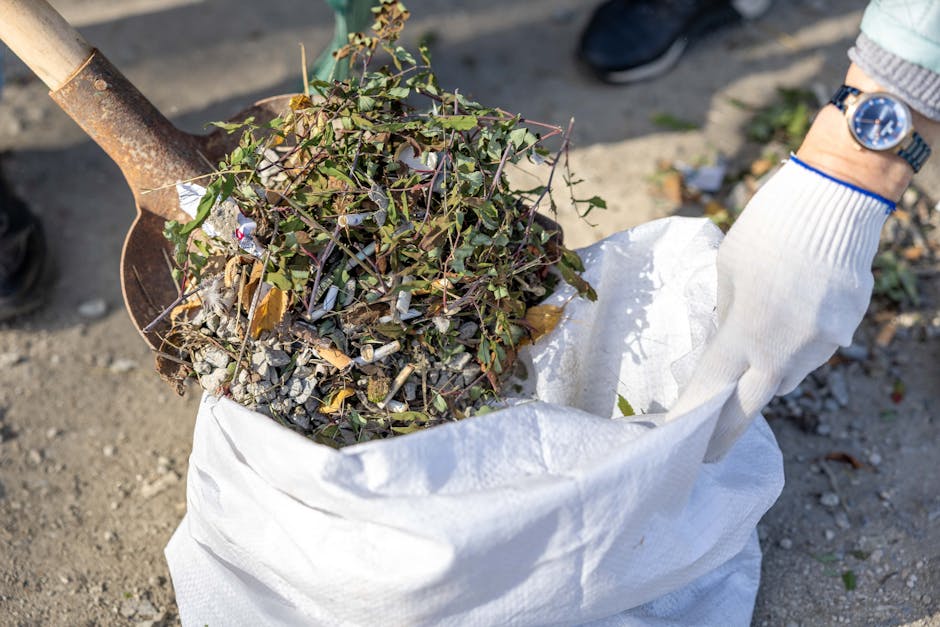
A proper garden rubbish clearance usually starts with a quick look at what needs removing. That might be green waste only, or it may include a mix of organic material and non-organic items. The difference matters because mixed waste often needs separating before disposal. Clean green waste is easier to recycle responsibly. Mixed waste is still manageable, but it needs a bit more sorting.
In practice, the process often follows a simple flow:
- Identify the waste - cuttings, soil, branches, turf, pots, old timber, broken tools, plastic edging, and other debris.
- Separate what can be reused or recycled - for example, intact planters or usable timber.
- Load safely - heavier items go first, sharp or awkward items are handled carefully, and loose waste is contained.
- Transport and dispose responsibly - ideally through recycling routes where suitable.
- Final sweep-up - the space should be left clear enough that you can actually use it straight away.
That sounds simple, and in a way it is. But garden rubbish has a habit of being deceptively awkward. Wet soil is heavy. Thorny clippings are annoying. Broken canes find their way into hands and trousers. The job gets easier when someone knows how to load, stack, and handle different materials properly.
If your clearance is tied to a larger home refresh, it may also sit alongside a home clearance or even a house clearance if you are clearing both indoors and outdoors at once. That can be a smarter move than booking separate visits, especially when access is tight.
Key Benefits and Practical Advantages
The obvious benefit is a tidy garden. But there is more to it than appearances. Good garden clearance brings a series of small, practical wins that add up quickly.
- More usable space - patios, paths, borders, and lawns become easier to walk on and maintain.
- Safer movement - fewer trip hazards, fewer sharp edges, fewer hidden surprises under leaves or debris.
- Better garden health - cleared beds and borders are easier to prune, feed, and replant.
- Easier renovation - if you are planning decking, new planting, fencing, or paving, the prep work is simpler.
- Cleaner visuals - a clear outdoor area always looks more intentional, even before new planting begins.
- Less stress - sometimes the real benefit is psychological. It just feels better when the mess is gone.
There is also a sustainability angle. Responsible clearance should aim to separate recyclable green waste from general rubbish wherever possible. If environmental handling matters to you, it is worth checking a provider's recycling and sustainability information before you book.
For many customers, the biggest advantage is simplicity. One team, one plan, one finished result. No hiring a van, no multiple trips, no guessing what to do with a pile of branches when the weekend is already disappearing. Lovely, frankly.
Who This Is For and When It Makes Sense
Garden rubbish clearance makes sense for a wide range of people, not just those with big gardens or major overgrowth. In Copeland Park Peckham, it often suits homes and businesses with compact outside areas where waste builds up quickly.
Common situations where it helps
- You have finished pruning, hedge cutting, or mowing and the green waste is too much for normal bins.
- You are clearing after a move, renovation, or landscaping project.
- Branches, soil, and general debris are taking over a courtyard or side return.
- You need old outdoor furniture, broken planters, or timber removed along with garden waste.
- You run a rental property or managed building and need the outside area brought back under control.
- You simply do not have time, tools, or lifting capacity to handle it yourself.
It is also a sensible option for landlords, letting agents, and property managers who need an outdoor space cleared quickly between tenancies. And if the work is tied to premises used for trading, commercial support may overlap with business waste removal. Not every garden job is purely domestic, after all.
There are times when DIY makes sense, of course. A few bags of light cuttings? Fine. But if the pile includes wet soil, thorny branches, old sleepers, or mixed junk from a shed corner, the job can become a hassle fast. Nobody wants to discover halfway through that the bins are already full and the car boots are not as roomy as they looked in the driveway.
Step-by-Step Guidance
If you want to approach garden rubbish clearance in a clean, sensible way, start here. A bit of preparation goes a long way.
1. Walk the space first
Do a slow walk around the garden and note what needs to go. Look under hedges, behind sheds, around beds, and in corners where old material tends to hide. You may find more than you expected. That is normal.
2. Separate waste into simple groups
Try to divide the pile into:
- green waste such as leaves, grass cuttings, and small branches
- hard garden waste such as soil, stones, rubble, or broken slabs
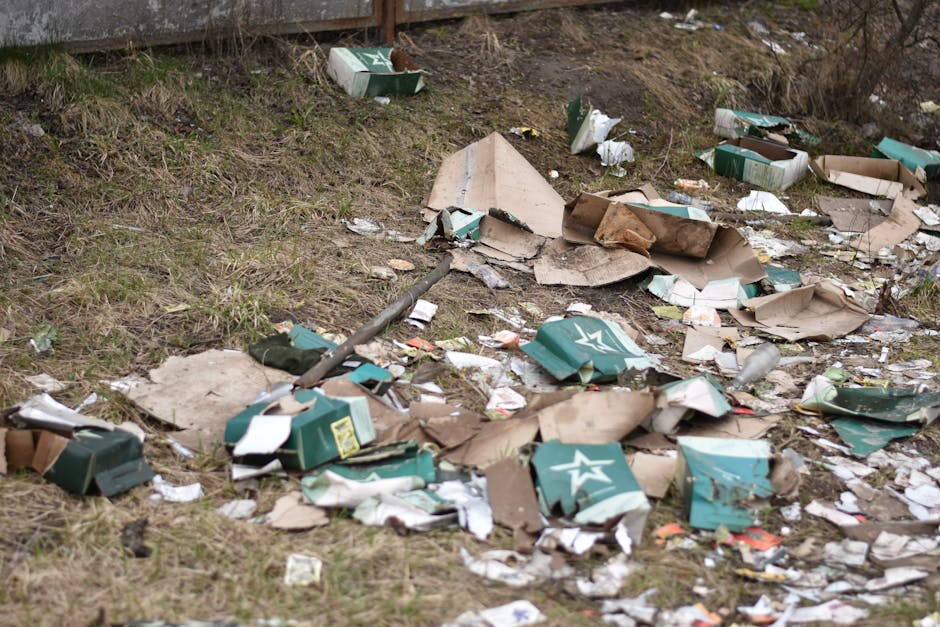
- general rubbish such as plastic, packaging, or damaged outdoor items
- bulky items such as fencing, old furniture, or broken equipment
This sorting step helps the clearance run faster and often improves recycling outcomes too.
3. Clear access routes
Make sure gates open properly, paths are free from obstacles, and you know where items will be carried out. In shared properties or tight terraces, this matters more than people think. A narrow route can turn a quick clearance into a clumsy one.
4. Remove anything reusable
If there are healthy plants you want to keep, take them out first. Same with tools, ornaments, or usable pots. It sounds obvious, but in the middle of a big clear-out, obvious things have a habit of disappearing into the wrong pile.
5. Book the right type of clearance
If your waste is mostly green, say so. If the pile includes a mix of garden waste and household junk, say that too. Accuracy helps the team bring the right equipment and allows for better planning. A service page like garden clearance is a sensible starting point if you want a dedicated outdoor waste solution.
6. Confirm disposal details
Ask how waste is handled after collection. Good operators should be able to explain the basics clearly, including whether items are separated for recycling and what happens to mixed waste. You do not need a lecture. Just clear answers.
Expert Tips for Better Results
Here is the part that saves people time and hassle. Small decisions make a real difference.
- Cut long branches down first if you are doing any pre-sorting. Shorter lengths load more efficiently.
- Keep soil separate if possible. Soil is heavy and can dominate a load quickly.
- Do not mix sharp waste loosely. Broken canes, nails, and splintered timber are unpleasant at best.
- Stack flat items neatly such as old trellis or fencing so they do not catch on everything else.
- Think about weather. Wet waste weighs more and smells worse. A damp morning can make a tiny pile feel twice as large.
- Plan for awkward access. Basement-level gardens, raised terraces, and narrow mews-style entrances need a little extra thought.
One thing we often advise is to take photos before the clearance starts. It is not about creating records for the sake of it. It simply helps everyone agree on the scale of the job. Handy when the garden looks different from one end to the other.
If you are budget-conscious, you can also compare the booking process with the provider's pricing and quotes information. That gives you a clearer sense of what affects the cost, such as waste type, access, and volume.
Common Mistakes to Avoid
Garden waste looks forgiving. It really is not. A few common mistakes can make clearance harder, slower, and more expensive than it needs to be.
Leaving waste mixed together
When green waste, household junk, and rubble are all piled together, sorting becomes more complicated. That usually affects efficiency and can reduce recycling opportunities. If you can separate waste at source, do it.
Underestimating weight
A bag of damp leaves is manageable. A bag of damp leaves plus soil and branches can be back-breaking. That is how people end up with sore backs and a half-finished garden by lunchtime.
Forgetting about access
Locked side gates, blocked paths, and awkward steps can delay even a simple job. Always check the route from garden to collection point.
Ignoring hidden waste
Old pots, broken hose reels, buried plastics, or forgotten timber often hide at the edges of beds. If you do not check properly, the space may still feel messy after the main pile is gone.
Choosing a service without checking waste handling
Not every provider explains disposal clearly. That is a problem. You want confidence that waste is managed responsibly, not just shifted out of sight. If standards matter to you, look closely at service notes and policy pages such as health and safety policy and insurance and safety.
And one more thing: do not leave the garden waste sitting too long if it is already damp, rotting, or attracting flies. It gets worse. Fast. Nobody needs that extra drama.
Tools, Resources and Recommendations
You do not need a shed full of specialist kit to prepare for garden rubbish clearance, but a few basic tools help enormously.
- Heavy-duty gloves for thorny cuttings and rough edges
- Rakes and brooms for loose leaves and final sweeping
- Secateurs or loppers to cut oversized branches down to manageable lengths
- Rope or twine to bundle branches neatly
- Strong refuse sacks if you are sorting lighter waste before collection
- Wheelbarrow or garden trolley for moving waste to a pickup point
For service selection, the most useful resources are usually the provider's own service pages and policy pages, because they tell you how the company works in practice. If the job includes old sheds, garage overflow, or outdoor storage clear-outs, you may also find related support through garage clearance. That can be surprisingly relevant when the "garden waste" turns out to include half the contents of the back of the property.
For mixed domestic jobs, especially where the garden is only one part of the whole picture, furniture clearance and furniture disposal may also be useful if you are dealing with outdoor seating, broken tables, or storage items that have seen better days.
Law, Compliance, Standards, or Best Practice
Without getting too legal about it, garden rubbish clearance in the UK should follow sensible waste-handling best practice. That means waste should be collected, transported, and disposed of responsibly, with a focus on keeping recyclable materials separate where practical and avoiding fly-tipping or careless dumping. You do not need to know every technical detail, but you do want reassurance that the service is operating properly.
In real terms, that means asking a few straightforward questions:
- How is the waste sorted?
- What happens to green waste versus mixed rubbish?
- Are staff trained in safe lifting and loading?
- What insurance and safety arrangements are in place?
- How do they handle access issues or hazardous items?
Those questions are not fussy. They are sensible. In fact, they are exactly the sort of questions a good provider should expect.
If you are booking from a block, managed property, or business premises, check whether the waste is classed as domestic, commercial, or a mixed load. That affects how the job should be approached. For shared or non-domestic settings, office clearance or business waste removal may sit alongside the garden work, especially where communal outdoor areas are involved.
Best practice also includes proper communication. Clear arrival times, access notes, and honest descriptions of the waste make the whole process smoother. Small detail, big difference.
Options, Methods, or Comparison Table
There is more than one way to deal with garden rubbish, and the right option depends on volume, waste type, and how much time you want to spend on it.
| Method | Best for | Pros | Limitations |
|---|---|---|---|
| DIY bin bags and local disposal | Very small amounts of light green waste | Low cost, simple for minor jobs | Time-consuming, limited capacity, heavy lifting |
| Hiring a van or skip | Large clearances with repeated loading | Useful for ongoing projects and bulky loads | Requires handling, space, and more planning |
| Professional garden rubbish clearance | Mixed waste, heavy waste, awkward access, quick turnaround | Convenient, faster, less physical strain | Usually costs more than doing it yourself |
For many people, professional clearance is the sweet spot. You avoid the lifting, the multiple trips, and the awkward issue of where to put a pile of hedge cuttings once the car boot is full. That said, if you only have a few light bags, DIY may be perfectly fine. No need to overthink a small job.
If you are still deciding, comparing the service against the provider's wider waste removal approach can be helpful. It shows whether they are equipped for mixed loads, repeat visits, or larger property clearances.
Case Study or Real-World Example
Picture a typical Peckham terrace with a small rear garden. After a few seasons of pruning, a broken planter, a collapsed trellis, some old timber edging, and a stubborn patch of damp leaves, the space has become a bit of a holding area for everything nobody wants to deal with. The path is still there, technically. You can see it, if you squint.
The owners want the garden ready for simple planting and a better seating area. They start by separating obvious green waste from broken outdoor items and clearing a path to the back gate. That immediately makes the job easier. A clearance team then removes the waste in one visit, leaving the space swept and ready for a fresh start. The garden is not redesigned. No dramatic makeover. Just clear, usable, and less stressful.
What made the difference was not magic. It was preparation, a clear understanding of what needed removing, and a service that could handle both green waste and awkward mixed debris without fuss. That is the sort of result people are usually after, even if they do not say it out loud.
For some properties, this kind of garden work sits neatly alongside a wider flat clearance or loft clearance if the rest of the home is being tidied up too. One project, many moving parts. Very normal.
Practical Checklist
Use this checklist before you book or begin a garden rubbish clearance job.
- Identify all waste in the garden, including hidden corners.
- Separate green waste from mixed rubbish where possible.
- Check access routes, gates, steps, and narrow paths.
- Remove any plants, tools, or items you want to keep.
- Bundle branches and cut long pieces down to size.
- Look for heavy items such as soil, rubble, or old timber.
- Confirm whether the job is purely garden waste or part of a wider clearance.
- Ask how waste will be handled after collection.
- Check pricing and quote details before agreeing to the work.
- Make sure the space will be swept or left in a usable condition.
Expert summary: the smoothest garden rubbish clearance jobs are the ones where waste is sorted, access is clear, and expectations are agreed upfront. That simple combination saves time, reduces friction, and usually gives you a better result.
If you want to understand the company behind the service before moving ahead, it is sensible to review the about us page and the terms and conditions. For reassurance around administration and payment handling, the payment and security page can also be useful.
Conclusion
Garden rubbish clearance in Copeland Park Peckham is one of those jobs that looks straightforward until you actually start lifting, sorting, and carrying. Then the value of a planned approach becomes very clear. Whether you are clearing a modest courtyard or a more cluttered outdoor space, the right process makes the job faster, safer, and far less frustrating.
The key is to think in categories, be realistic about weight and access, and choose the simplest route that gets the waste handled properly. That may mean a small DIY sort-out. It may mean professional help. Often, the best answer is somewhere in the middle. A little preparation, a little guidance, and the rest becomes much easier.
Get a free quote today and see how much you can save.
And if the garden has been bothering you for a while, that is okay. Clear it once, properly, and you get the space back. Sometimes that is all a property really needs.
Frequently Asked Questions
What counts as garden rubbish clearance?
It usually includes green waste such as grass cuttings, branches, leaves, hedge trimmings, weeds, and other outdoor debris. It can also include mixed garden junk like broken pots, fencing, timber, and old outdoor items if the service is set up for that type of load.
Can garden waste and general rubbish be collected together?
Yes, often they can, but mixed loads may need to be handled differently from pure green waste. It is always better to describe the waste accurately when booking so the team knows what to expect.
How do I prepare for a garden clearance?
Walk the space, separate waste into rough groups, clear access routes, and remove anything you want to keep. If possible, bundle branches and keep soil or rubble separate, because that makes loading easier.
Is garden rubbish clearance suitable for small Peckham gardens?
Absolutely. Small gardens, courtyards, side returns, and compact outdoor spaces are often the places that benefit most because clutter builds up quickly and access can be awkward.
What happens to the waste after collection?
That depends on the type of waste and the service provider, but responsible clearance should aim to separate recyclable green waste from general rubbish where possible. It is fair to ask how disposal is handled before you book.
Can I clear garden waste myself?
Yes, if the amount is small and the waste is light enough to handle safely. Once the pile gets wet, heavy, thorny, or mixed with bulky items, many people decide professional help is worth it.
How much does garden rubbish clearance usually cost?
Costs vary depending on volume, waste type, access, and whether the load is green waste, mixed waste, or includes bulky items. It is best to request a quote based on the actual job rather than guessing.
Do I need to sort the waste before collection?
You do not always have to, but sorting helps. Separating green waste from general rubbish and rubble can make the clearance smoother and may improve recycling outcomes.
What if my garden is hard to access?
Tell the provider in advance if there are narrow gates, steps, shared access, or long carry distances. Access issues are common in London properties, and they are easier to plan for when everyone knows upfront.
Is garden clearance different from waste removal?
Garden clearance is usually focused on outdoor waste and green material, while waste removal can cover a wider range of general items. In many cases the two overlap, especially if the garden contains mixed rubbish or bulky debris.
Can garden rubbish clearance include old furniture or shed items?
Yes, if the service accepts mixed loads. Outdoor chairs, tables, storage boxes, and shed contents are often cleared alongside garden waste when needed. It is just important to mention them in advance.
How do I choose a reliable provider?
Look for clear pricing, straightforward communication, sensible safety information, and a decent explanation of how waste is handled. A trustworthy service should feel organised without sounding pushy. That alone tells you quite a bit.