Creative Recycling Ideas for Broken Pots and Pans
Creative Recycling Ideas for Broken Pots and Pans: The Ultimate UK Guide
You know that feeling when you pull a favourite pan from the cupboard and the handle wobbles, a chip of enamel flakes off, or the non-stick looks more like non-existent? It happens. And let's face it, cookware takes a beating over the years. But here's the good news: broken pots and pans are a goldmine for creative recycling and upcycling. With a bit of imagination--and a few practical tips--you can turn that tired cookware into planters, storage, wall art, bird feeders, and even functional home accessories that'll make friends say, "Wait... that used to be a frying pan?"
This comprehensive guide leans on hands-on experience from repair cafes, community workshops, and real UK households. It's packed with expert advice, safety notes, and step-by-step ideas. Whether you want to save money, reduce waste, or just enjoy a weekend project with the kids, you'll find a solution here that suits your space and style.
Quick human moment: one rainy Saturday in Leeds, I watched a chipped saucepan become a cheerful herb planter with a dash of sage-green paint. The room smelled faintly of soil and fresh rosemary. Everyone smiled. It's small, but it matters.
Table of Contents
- Why This Topic Matters
- Key Benefits
- Step-by-Step Guidance
- Expert Tips
- Common Mistakes to Avoid
- Case Study or Real-World Example
- Tools, Resources & Recommendations
- Law, Compliance or Industry Standards (UK-focused)
- Checklist
- Conclusion with CTA
- FAQ
Why This Topic Matters
In the UK, millions of cookware items are discarded every year, often because of a broken handle, a warped base, or a scratched non-stick surface. Yet most pots and pans are made from valuable materials--aluminium, stainless steel, cast iron, copper--that can be reused or recycled. Tossing them straight into general waste isn't just a missed opportunity; it contributes to landfill pressure and squanders the embedded energy that went into making them in the first place.
Creative Recycling Ideas for Broken Pots and Pans help close the loop. By finding a second life for old cookware--be that as decor, planters, or storage--you reduce waste and save money. And if upcycling isn't your thing this week (life happens), you can still recycle metal cookware properly at a Household Waste Recycling Centre (HWRC). The point is choice. Responsible, practical choice.
There's another reason this matters: a repaired, repurposed, or recycled item has a story. It's personal, a bit quirky, and often beautiful in a way brand-new things can't be. To be fair, once you upcycle a single pan into a herb planter, you'll start seeing potential everywhere. It's kinda wild.
Key Benefits
- Waste reduction: Divert metal and coatings from landfill, aligning with the UK Waste Hierarchy (prevent, prepare for re-use, recycle).
- Cost savings: Upcycling turns what you have into what you need--planters, storage, shelving--without a shopping spree.
- Home character: Repurposed cookware brings texture and story to interiors: a cast-iron skillet becomes a clock; copper lids become mirror frames.
- Education & community: Simple projects provide teachable moments about sustainability--great for schools, scout groups, or a rainy family afternoon.
- Metal value: When you can't repurpose, scrap yards often accept aluminium, stainless steel, or copper. Prices vary, but a small return beats paying for disposal.
- Durability: Metal cookware is tough. Repurposed items--like garden edging or hooks--stand up to real, daily use.
- Creative wellbeing: Crafting reduces stress. There's something grounding about sanding, painting, and bringing an object back to life.
Ever cleared a cupboard and found yourself keeping everything "just in case"? This guide gives that case a purpose.
Step-by-Step Guidance
The following projects range from beginner-friendly to more advanced. All are designed to be safe, practical, and achievable with common tools. If you've never drilled metal or removed a riveted handle before, don't worry--we'll walk you through it carefully.
Before You Start: Safety and Sorting
- Identify your material: A magnet sticks? Likely steel or cast iron. No magnet? Likely aluminium or copper. This matters for tools and finishes.
- Check coating condition: Chipped enamel or scratched PTFE (non-stick) may be fine for non-food uses like planters, but don't keep cooking with them.
- Remove non-metal parts: Unscrew or drill out handles and knobs. Keep screws--you'll be surprised how often they come in handy.
- Scrub and degrease: Wash thoroughly using hot soapy water and a degreaser if needed. Dry fully to prevent rust before painting.
- Personal protection: Wear gloves, eye protection, and a dust mask when drilling, sanding, or cutting. Work in a ventilated area.
Small aside: you'll hear that satisfying metallic ting when a loose handle drops into the tray. It's oddly pleasing.
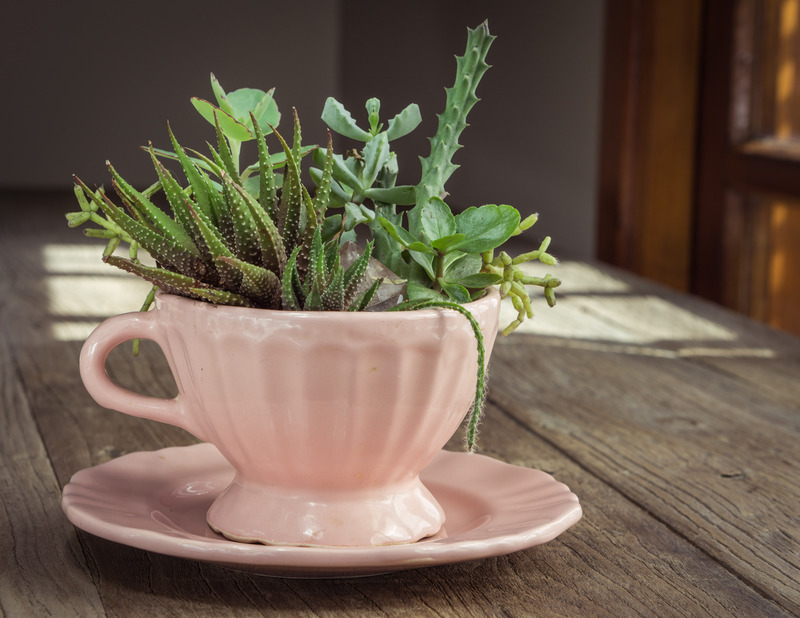
1) Herb Planters from Old Saucepan or Frying Pan
- Drill drainage holes: Use a 3-6 mm metal bit. Place wood beneath the base to avoid blowout. Start slow; let the bit do the work.
- Paint (optional): Apply metal primer, then exterior-grade paint. Two thin coats beat one thick one for durability.
- Add gravel: A 1-2 cm layer improves drainage, especially if you're planting herbs on a balcony.
- Soil and plants: Use herb-friendly compost and plant rosemary, thyme, or mint. Water lightly; don't swamp it.
- Mounting (optional): For wall planters, fix through the pan's side with wall plugs and screws. Ensure the wall can bear the weight.
Tip: Suspend a trio of small pans on a fence for a vertical herb garden. It looks charming and smells even better on a warm evening.
2) Pot Lid Art, Mirrors, and Suncatchers
- Choose lids: Glass lids with central knobs are perfect. Metal lids work too for mirror projects.
- Suncatcher: Remove the knob, thread fishing line through the hole, and hang crystals or coloured glass. The afternoon light will dance across your kitchen.
- Mirror: Adhere a circular mirror blank to a metal lid using high-strength adhesive (check it's rated for metal). Add hanging hardware at the back.
- Wall collage: Mix sizes and finishes. A cluster of lids can become a statement piece above a dining table.
Yeah, we've all been there--buying wall art and then realising the best piece was in the cupboard all along.
3) Cast-Iron Doorstops and Bookends
- Stabilise: For a skillet doorstop, remove the handle if it's hazardous, or keep it and add a felt pad under the base.
- Rust control: Wire-brush rust, wipe with white spirit, then season with a thin layer of oil if you want the classic cast-iron sheen.
- Bookends: Cut a small L-shaped support from scrap metal (or buy a bracket). Bolt through the pan's side to create a heavy, stable bookend.
Result: practical weight with vintage charm. It's a tidy fix for windy hallways or overflowing bookshelves.
4) Garden Edging and Bird Baths
- Edging: Half-bury old saucepans or baking tins along a border. Alternate heights for a whimsical, durable edge.
- Bird bath: A wide, shallow pan on a sturdy stump or pedestal makes an excellent bird bath. Add a stone for perching and clean weekly.
- Finish: Use a clear, exterior metal lacquer if you prefer a polished look that resists rust.
On a drizzly morning in Kent, a family used three battered cake tins to edge a little herb spiral. It looked like a storybook garden, truly.
5) Kitchen Storage: Hooks, Racks, and Utensil Holders
- Utensil holders: Tall, handle-less pots become countertop caddies. Add a wooden base inside and rubber feet beneath for stability.
- Hanging rack: Fix a row of old pan handles to a timber board as hooks. It's industrial-chic and wildly useful for mugs or tea towels.
- Magnetic strip: Steel lids can hold notes or recipes on a magnetic board. Give them a quick polish and mount as functional decor.
Clean, clear, calm. That's the goal.
6) Candle Moulds and Planter Lanterns
- Candle mould: For metal tins or mini saucepans, fit a wick, pour melted wax, and let cure. Always use a heatproof surface and never leave unattended.
- Lantern: Drill decorative holes in an old saucepan or tin, pop in a tealight, and enjoy the starry patterns on a summer night.
- Safety: Keep flames away from flammable finishes and soft furnishings. Position lanterns where kids and pets can't knock them over.
There's a cosy crackle to candlelight on a cold evening. You'll feel it instantly.
7) Child-Friendly Projects (with Supervision)
- Toy drum: Stretch fabric or a balloon over a small pan and secure with string. Decorate the exterior with paint pens.
- Sand or water play: Use clean, handle-less pots as scoops. Smooth edges and supervise closely.
- Bug hotel frame: A baking tin becomes a frame for twigs, bamboo, and pinecones. Hang in a sheltered spot.
Important: Check for sharp edges. Deburr with a file and cover with edge trim if needed. No shortcuts here.
8) Wind Chimes and Garden Sound Sculptures
- Select pieces: Mix small lids, measuring cups, and cutlery.
- Drill carefully: Create small holes near edges. Use split rings or weatherproof cord to assemble.
- Mount: Hang from a branch or pergola. Adjust spacing so pieces chime rather than clatter.
On a breezy August afternoon, you'll hear a tinkling chorus--gentle, a little nostalgic.
9) Upcycled Clocks and Wall Art
- Clock kit: Buy a battery clock mechanism. Drill a central hole or use the existing knob hole.
- Numbers: Paint, stamp, or stencil. Keep it minimal for a modern look.
- Hanging: Add a secure D-ring or French cleat if the pan is heavy.
Sleek aluminium gives a contemporary vibe; aged copper feels warm and classic.
10) Responsible Recycling When Upcycling Isn't Viable
- Separate materials: Remove plastic handles and glass lids.
- HWRC: Take metal cookware to your local Household Waste Recycling Centre's scrap metal bay. Many UK councils accept pots and pans there.
- Scrap merchants: For copper or heavy aluminium, call ahead. Bring ID and expect fluctuating prices.
- Charity shop policy: Some shops will accept clean, safe cookware; many won't accept damaged non-stick. Phone first--saves a wasted trip.
Truth be told, even a quick drop-off feels good. It's tidy. Responsible. Done.
Expert Tips
- Drilling metal without tears: Use a centre punch to mark the hole. Start with a small bit, step up gradually. Low speed, steady pressure.
- Dealing with non-stick: Don't burn or sand PTFE off. If the coating is failing, use the pan for non-food crafts or recycle the metal via HWRC.
- Rust rescue: For cast iron used as decor, remove rust with a wire brush and apply food-safe oil if you want a deep black. For outdoor use, a clear lacquer helps.
- Copper care: Polish with lemon and salt, rinse, then buff. For a sealed finish, a microcrystalline wax keeps tarnish at bay.
- Paint that lasts: Prime bare metal with an etch primer. For outdoors, use exterior metal paint. Indoors, a multi-surface primer does the job.
- Weight checks: Heavy pans need strong fixings--wall plugs matching your wall type (masonry, plasterboard). Don't skimp.
- Weatherproof cords: For wind chimes, use marine-grade cord or stainless steel wire. UK winters can be unforgiving.
- Safer adhesives: For mirrors or decor, choose adhesives rated for metal and temperature ranges. Read the label--twice.
- Test layout first: Lay pieces on the floor before drilling or gluing. Saves regrets later.
- Photograph the process: It's motivating to see the before-and-after. Share it--it inspires others.
In our experience, youll notice the project goes smoother when you slow down for five minutes of planning. A cup of tea helps.
Common Mistakes to Avoid
- Sharp edges left unchecked: Always deburr drilled holes and cut edges. Use a file or deburring tool.
- Using the wrong paint: Interior-only paint outdoors peels fast. Choose exterior-grade for gardens and patios.
- Ignoring load limits: Heavy pan wall art can fall if mounted with weak fixings. Match fixings to wall type and weight.
- Non-stick fumes misunderstanding: Do not heat-destroy PTFE coatings to strip them. That's unsafe. Upcycle cold or recycle responsibly.
- Lead concerns in antiques: Old enamel or copper cookware may contain lead or other heavy metals. Avoid food use; keep it decorative.
- Waterlogging planters: No drainage holes means soggy roots. Always provide a way for water to escape.
- Skipping surface prep: Paint sticks to preparation, not hope. Clean, sand lightly, and prime.
- Overcomplicating: Start small. One pan, one simple idea. Win early, then get fancy.
Ever started a project and realised halfway you forgot sandpaper? Make a list first. Future-you will be grateful.
Case Study or Real-World Example
Peter & Amal's Balcony Makeover (Manchester)
It was raining hard outside that day, but inside their flat was all bustle. Peter had a set of battered pans--two with loose handles, one warped frying pan, and a lid with a missing knob. Rather than bin them, the couple set a weekend goal: turn the lot into a vertical herb garden and a small wind chime.
- Planning: They measured a sunny balcony wall and sketched a three-tier layout using three pans as planters.
- Preparation: Handles off, surfaces degreased. Peter drilled three 5 mm holes in each base for drainage, then primed and painted them a deep forest green.
- Mounting: Heavy-duty wall plugs and stainless screws supported each planter. They tested the load with water-filled pans before adding soil.
- Planting: Rosemary, chives, and mint--easy wins. The lid became a suncatcher with a hanging crystal through the former knob hole.
- Outcome: Total spend: under ?25 for paint, fixings, and compost. Waste diverted: four items. Joy: immeasurable (their words).
They sent a photo later that summer: sunlight on green leaves, a slight sparkle from the lid crystal, and the sound of a soft chime. Small balcony, big feeling.
Tools, Resources & Recommendations
Basic Toolkit
- Drill with metal bits (3-8 mm range)
- Centre punch and hammer
- Safety gear: gloves, eye protection, dust mask
- Wire brush or sandpaper (120-240 grit)
- Metal primer and suitable paint (interior/exterior as needed)
- High-strength adhesive rated for metals
- Wall plugs and screws (match wall type)
- Deburring tool or metal file
- Measuring tape, pencil, and masking tape
Optional Upgrades
- Dremel rotary tool for fine cutting/polishing
- Rust converter (for heavily rusted steel)
- Microcrystalline wax (copper/brass protection)
- Exterior-grade clear lacquer
- Marine-grade cord or stainless wire (outdoor hangs)
Where to Source Materials (UK)
- Household Waste Recycling Centres (for responsible metal disposal)
- Local hardware stores and merchants for fixings and primers
- Community reuse centres and Freecycle for extra pans or parts
- Repair cafes for advice and a friendly second pair of hands
A quick note on scrap prices: aluminium and copper values fluctuate. Phone a local yard for today's rate. Don't be shy--asking saves time.
Law, Compliance or Industry Standards (UK-focused)
Upcycling at home is wonderfully flexible, but it's worth knowing the basics of UK waste law and good practice when you decide a pot or pan is beyond reuse.
- Waste Hierarchy (Waste (England and Wales) Regulations 2011): Prioritises prevention, then re-use, then recycling, then recovery, and finally disposal. Upcycling fits squarely into "prepare for re-use."
- Duty of Care (Environmental Protection Act 1990, s.34): If you hand waste to someone else (e.g., a scrap collector), ensure they're authorised and provide correct paperwork if necessary. For householders using council HWRCs, follow site rules.
- Household Waste Recycling Centres: Most councils accept metal cookware as scrap metal. Glass lids may go to glass recycling or general waste depending on local guidance--check your council.
- Safety standards for products: If you sell upcycled items, they must be safe. The General Product Safety Regulations 2005 apply. For candles/lanterns, ensure stable bases and clear user instructions.
- Hazardous considerations: Non-stick PTFE coatings are not typically classified as hazardous for household disposal, but do not burn to remove coatings. Recycle through appropriate metal streams or repurpose without heat.
- Planning for installations: Heavy items installed in rented flats should comply with tenancy rules and safe mounting practices. When in doubt, ask your landlord or building manager.
Bottom line: act responsibly, use authorised routes for waste, and make sure anything you gift or sell is safe to use. Simple, sensible, solid.
Checklist
Quick Pre-Project Checklist
- Have you identified the material type (steel, aluminium, cast iron, copper)?
- Are coatings intact and safe for your intended use (or switching to decor)?
- Do you have the right drill bits, primer, and fixings?
- Have you planned mounting points and load limits?
- Are edges smooth and free of burrs?
- Is the surface clean, dry, and lightly keyed for paint?
- Do you have PPE ready--gloves, goggles, mask?
- Is the working area ventilated and child/pet-safe?
Tick these off, and you're set. Calm prep makes creative work feel effortless.
Conclusion with CTA
Old cookware carries memories--soups stirred on winter nights, pancakes flipped too early, family dinners that felt a bit chaotic but also perfect. Giving those pots and pans a second life is more than just practical; it's a respectful nod to the energy already invested in them. Whether you craft a herb garden, hang a lid mirror in the hallway, or simply deliver a bundle to the HWRC, you're taking a small, meaningful step toward a less wasteful home.
And once you start, it's infectious. You'll find yourself eyeing bakeware at car boot sales, thinking "planters!"--then smiling at the thought.
Get a free quote today and see how much you can save.
However you begin, start. One pan, one project, one little win. That's enough.
FAQ
Can non-stick pans be recycled in the UK?
Yes--many HWRCs accept non-stick pans in the scrap metal bay. Remove plastic handles and glass lids first. Kerbside collections rarely accept cookware, so check your council's guidance.
Is it safe to use a scratched non-stick pan as a planter?
For non-food use like planters, generally yes. Clean thoroughly and avoid heating it. If you're unsure about the coating, keep it strictly decorative or recycle the metal instead.
What paint should I use on metal pots and pans for outdoor projects?
Use an etch or metal primer followed by exterior-grade metal paint. Two thin coats are better than one thick one. For a natural finish, seal with a clear exterior lacquer.
How do I drill drainage holes without cracking or deforming the pan?
Mark with a centre punch, use a small pilot bit, then step up slowly. Clamp the pan over scrap timber, drill at low speed, and wear eye protection. Deburr the holes after.
Can I donate used pots and pans to charity shops?
Sometimes. Clean, safe cookware is often accepted; heavily damaged non-stick rarely is. Phone ahead--policies vary between shops and charities.
What's the best way to remove a riveted handle?
Drill out the centre of the rivet with an appropriate bit until the head releases. Support the work, go slow, and wear eye protection. File the remaining stub flush.
Are there health risks with antique copper or enamel cookware?
Older copper and some vintage enamels may contain lead or other heavy metals. Avoid food use if linings are worn. For decor projects, clean, seal, and keep away from children's mouths.
How do I stop outdoor upcycled items from rusting?
Remove existing rust with a wire brush, prime bare metal, and finish with exterior paint or clear lacquer. For cast iron decor, a thin coat of oil can also help, though it may need reapplying.
Can I sell upcycled cookware items?
Yes, but ensure they're safe and stable. Follow the General Product Safety Regulations 2005, provide clear usage instructions, and use appropriate fixings and finishes.
What's the difference between recycling and upcycling cookware?
Recycling breaks the item down into raw materials (metal re-smelted). Upcycling keeps the object and transforms it into a new use--like a planter or clock--saving energy and adding character.
Is it worth scrapping copper or aluminium pans?
It can be. Copper is valuable, aluminium moderate. Prices vary daily; call a local scrap yard for a quote. Remove non-metal parts to avoid downgrades.
How do I make a lid suncatcher safely?
Use the existing knob hole or drill a small one, thread strong fishing line or wire, and hang crystals or coloured beads. Ensure fixings are secure and out of reach of small children.
Can I use old pots for food again if I re-season them?
Cast iron can often be restored by removing rust and re-seasoning. However, damaged non-stick or enamelled pans aren't good candidates for renewed food use--better to repurpose or recycle.
Where should glass lids go if not with metal recycling?
Some councils accept toughened cookware glass at HWRC glass banks; others direct it to general waste because it melts at a different temperature. Check local guidance to be sure.
Any kid-friendly crafts that avoid sharp edges?
Yes--turn smooth, handle-less pots into plant pots kids can paint, or make toy drums using fabric. Always prep edges, supervise, and choose non-toxic paints.
What adhesives are best for metal-to-glass (like lid mirrors)?
Use a high-strength adhesive rated for metal and glass, such as neutral-cure construction adhesive. Follow curing times and clamp or weigh down during curing for a clean bond.
Can I make a bird feeder from an old pan?
Absolutely. A small frying pan or lid can become a platform feeder. Drill drainage holes, add a hanging point, and keep it clean to protect wildlife.
Thanks for reading. If you listen closely, you can almost hear that gentle clink of possibility in the cupboard--waiting for its second life.