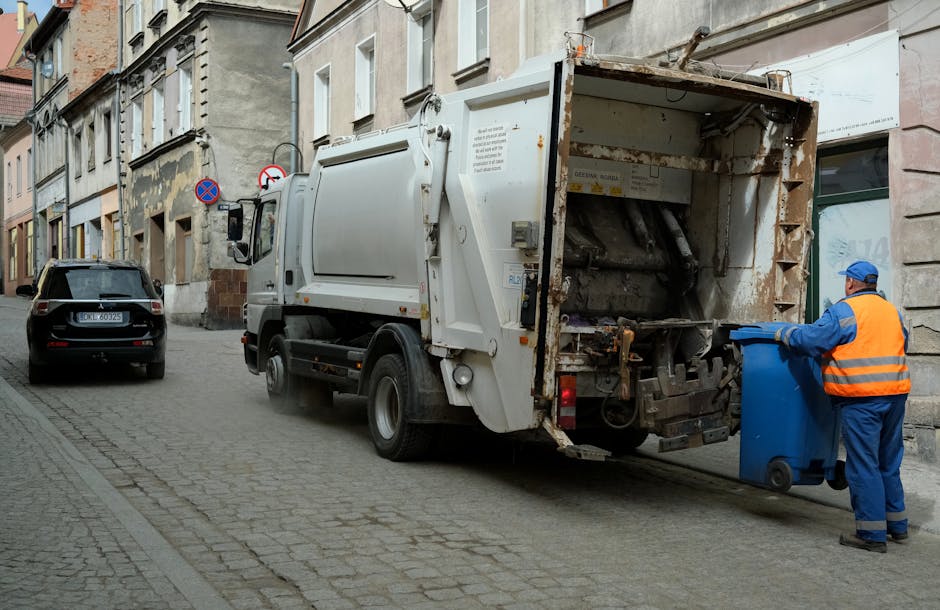
Avoid hidden charges in Peckham rubbish removal quotes
If you have ever compared rubbish removal quotes and felt the number looked fine until the final invoice landed, you are not alone. Hidden charges are one of the most frustrating parts of hiring a clearance team, especially when you just want the job done quickly and properly. This guide on how to avoid hidden charges in Peckham rubbish removal quotes will help you spot vague pricing, ask the right questions, and choose a service with confidence. Peckham homes, flats, shops, gardens, and building projects all produce different types of waste, so the quote should make sense for your exact job. Simple enough, but not always simple in practice.
In this article, you will learn what hidden charges look like, why they happen, how to compare quotes properly, and what good providers should explain upfront. We will also cover practical checks you can do before booking, common mistakes people make in a rush, and a few real-world examples that make the whole process easier to picture.
Contents
- Why it matters
- How the quoting process works
- Key benefits and practical advantages
- Who this is for and when it makes sense
- Step-by-step guidance
- Expert tips for better results
- Common mistakes to avoid
- Tools, resources and recommendations
- Law, compliance, standards, or best practice
- Options, methods, or comparison table
- Case study or real-world example
- Practical checklist
- Conclusion
- Frequently asked questions
Why Avoid hidden charges in Peckham rubbish removal quotes Matters
Hidden charges are not just annoying. They can turn a manageable clearance job into an expensive surprise. A quote that looks low at first may later grow because of call-out fees, labour add-ons, access issues, disposal surcharges, stair charges, parking costs, or the classic one: "we'll need to assess that on arrival." Sometimes that is fair. Sometimes it is a warning sign.
In Peckham, where properties can range from compact flats to terraced houses with awkward access, a quote needs to reflect the real job, not just the headline price. If your staircase is narrow, the waste is heavy, or the parking situation is tight, those details matter. But they should be discussed clearly before anyone turns up with a van and a clipboard.
It matters because you want three things: predictability, trust, and value. A transparent quote lets you compare services properly. It also helps you avoid the uneasy feeling that you have been cornered into paying more on the day. Let's face it, nobody enjoys haggling in their own driveway while rubble sits on the kerb.
Expert summary: A good rubbish removal quote should explain what is included, what is excluded, and what could change the price before the work starts. If the quote is vague, ask for detail. If the answer stays vague, walk away.
For many homeowners and landlords, price clarity is just as important as fast collection. If you are clearing after a move, a renovation, or a long-overdue declutter, the last thing you need is a bill that doubles because "extra bags" were allegedly not counted. Transparency is not a luxury here; it is basic customer care.
How Avoid hidden charges in Peckham rubbish removal quotes Works
The simplest way to understand rubbish removal pricing is this: you are usually paying for labour, vehicle space, disposal, and sometimes specialist handling. A genuine quote should show how those elements are calculated. Some firms price by load size, some by item count, and some by time on site. None of those models is automatically bad. What matters is whether the rules are clear.
Hidden charges often appear when the quote is built from incomplete information. For example, a customer says "just a few items," but the job involves a loft, two flights of stairs, a broken wardrobe, and bags of mixed waste. Fair enough, that is different from collecting a single sofa. The issue is not the adjustment itself; it is the lack of clarity before the job begins.
Good businesses often ask for photos, a rough list of items, access details, and whether the waste includes anything awkward such as plasterboard, paint, appliances, or office equipment. That is a sign of a careful quote process. If you want to understand how a professional provider structures pricing, their pricing and quotes information is a useful place to start.
Think of it like this: a proper quote should feel like a conversation, not a trap. If someone gives you a fast answer with no questions asked, maybe that sounds convenient. But it can also mean the price has not been thought through properly. And then the "real" number appears later.
Typical charge points to ask about
- Minimum charge or call-out fee
- Labour time and number of workers
- Parking, congestion, or access-related costs
- Disposal or tipping charges
- Heavy, bulky, or specialist waste surcharges
- Extra collection trips if the load exceeds the estimate
- VAT, if applicable
Not every provider will charge for every item on that list, but those are the places where quotes often become unclear. If you can get those details in writing, you are already ahead.
Key Benefits and Practical Advantages
There is a real difference between a cheap-looking quote and a genuinely good-value service. When pricing is transparent, the benefits show up fast.
- Budget control: You know what you are likely to pay before the team arrives.
- Better comparisons: You can compare like with like, rather than apples with pears.
- Less stress: No last-minute arguments about "unexpected" waste or access.
- Faster decisions: Clear quotes make booking easier when you are busy.
- Better planning: Useful for landlords, tradespeople, offices, and families managing multiple jobs.
There is also a subtle but important benefit: transparent pricing usually reflects better operations overall. A company that can explain its quote properly often has a more organised intake process, better communication, and a more dependable collection team. Not always, but often enough to matter.
For example, if you are planning a larger clearance and want a provider that can handle different waste types, browsing services such as house clearance, flat clearance, or office clearance can help you understand what the business handles and how that may affect the quote structure. Different jobs, different pricing logic. That part is normal.
Who This Is For and When It Makes Sense
This advice is useful for almost anyone arranging waste collection in Peckham, but it is especially important if your job is more than a single bag or chair. A person clearing a one-bed flat, a shop owner emptying stock room waste, a builder with rubble, or a family sorting out a garage will all face different pricing pressures.
You will probably want to be extra careful if:
- you have limited time and need the work done on a specific day
- the property has stairs, a basement, or difficult access
- the waste is mixed, bulky, or heavy
- you are comparing several firms at once
- you have already had a bad experience with vague billing
- you are managing clearance for someone else and need a clean paper trail
People often assume hidden fees only happen with very large jobs. Not really. Even a smaller clearance can pick up extras if the provider has not been told about item size, parking, or disposal category. A single mattress, for example, can be straightforward or awkward depending on the access. Tiny detail, big price difference sometimes.
If you are unsure what kind of clearance service best fits your situation, pages like home clearance, garage clearance, and loft clearance can help you think through the scope before requesting quotes.
Step-by-Step Guidance
Here is a practical way to avoid awkward pricing surprises. Nothing fancy. Just a method that works.
- List everything that needs removing. Be specific. "Old furniture" is less useful than "two sofas, one desk, three bags, and a broken chest of drawers."
- Take photos from different angles. Include the access route, staircases, garden path, or alleyway if relevant.
- Ask what the quote includes. Labour, loading, disposal, VAT, and any minimum charges should be clear.
- Ask what could change the price. This is the big one. Find out which factors trigger an extra fee.
- Check whether the quote is fixed or estimated. A fixed quote is often easier to budget for. An estimate can still be fine, but only if the conditions are explained.
- Confirm item categories. Some waste streams cost more to process, particularly if they need separate handling.
- Get the confirmation in writing. Email is fine. A written summary protects everyone.
- Recheck before collection day. If the pile has grown overnight, say so. Better a quick update than a surprise when the van arrives.
A small but useful habit: keep your communication simple and precise. If you are sending photos, add a sentence like, "Everything shown needs to go, and access is via one narrow stairwell." That one line can prevent a lot of nonsense later. Honestly, it helps more than people expect.
If you want to compare your options before you book, the business's waste removal page can also give helpful context about the types of jobs handled and what should be included in a proper service discussion.
Expert Tips for Better Results
After plenty of quote requests, one pattern becomes obvious: the best customers are not the ones who know every technical term. They are the ones who give complete, practical information. That alone removes a lot of ambiguity.
Use these tips when requesting a quote
- Be honest about volume. "Probably a van load" is more useful than "not much."
- Mention awkward access early. Narrow stairs, no lift, or limited parking can matter.
- Separate clean and mixed waste if possible. It may affect handling and disposal.
- Ask for a written list of inclusions. That simple note can save a headache later.
- Check whether the provider asks questions. A good sign. A very good sign, actually.
- Compare total value, not just the cheapest number. The lowest price is not always the best deal if it excludes basics.
One thing people often miss is the cost of time. A vague quote can eat up hours of calls, messages, and back-and-forth on the day. A clearer quote takes a bit longer upfront, but it saves you that slightly frazzled "so what exactly am I paying for?" moment at the kerb.
If sustainability matters to you, it is also worth checking how the company approaches sorting and recovery. A strong commitment to responsible handling is often a sign of a more organised operation. Their recycling and sustainability approach is worth reviewing if you want to understand how waste is managed beyond the collection itself.
Common Mistakes to Avoid
Most hidden-charge problems come from the same handful of mistakes. The good news? They are easy to dodge once you know them.
- Accepting a quote that sounds too neat. If there are no questions, be careful.
- Forgetting to mention access issues. Stairs, parking, and distance from the van can all matter.
- Assuming all waste is treated the same. Some materials need different handling.
- Not checking VAT. A quote can look lower until tax is added.
- Leaving out extra items. The small pile in the corner becomes part of the job too, usually.
- Trusting verbal promises only. Friendly on the phone is nice, but written confirmation is better.
A common real-world example: someone books a clearance for "a few bulky items" in the morning, then remembers there are also bags in the shed, broken shelving in the hallway, and a mattress in the loft. Suddenly, the quote does not match the actual work. That is not always the provider's fault, to be fair. But it does become a problem if the pricing is not recalculated transparently.
Another small trap is forgetting to ask about time windows. Some firms charge extra for waiting around, or they may reschedule if access is not ready. Not dramatic, just inconvenient. And inconvenience has a way of becoming expensive if nobody is clear.
Tools, Resources and Recommendations
You do not need special software to avoid hidden charges. You need a few simple tools and a sensible process.
- A phone camera: Take wide shots and close-ups of bulky items.
- A quick inventory list: Write down what is going, room by room if needed.
- Access notes: Parking restrictions, floors, gates, codes, or loading distance.
- A message template: Use the same short description when requesting multiple quotes.
If you are trying to understand what a trustworthy company looks like, review their company information and service pages. Pages such as about us, insurance and safety, and payment and security can reveal a lot about how seriously they take the work. You are looking for clarity, not just polish.
If you need more than one type of clearance, it can help to check related services in advance rather than assuming a generic quote will cover everything. For example, furniture clearance, furniture disposal, garden clearance, and builders waste clearance all have different practical considerations. That is normal and should be reflected in the quote.
Law, Compliance, Standards, or Best Practice
When waste is being removed, there are always compliance and responsibility issues in the background, even if the customer never sees them. You do not need to become a legal expert, but it is sensible to expect a professional service to work carefully and lawfully.
In practical terms, that means a provider should be able to explain how waste is handled, what happens to different material types, and whether any items require special treatment. For commercial customers, that matters even more. Businesses in Peckham often need a clearer paper trail for waste handling, and pricing should reflect that structure, not hide it.
Best practice also means transparent terms. A quote should align with the service terms, payment process, and collection conditions. If those documents are difficult to follow, that can be a warning sign. Clean language is a good sign. Clear language is even better.
You may also want to review the provider's terms and conditions and complaints procedure. Not because you expect trouble, but because a professional business should have a straightforward way to deal with misunderstandings. The calmer the process, the better the outcome usually is.
For domestic customers, compliance tends to show up in simple but important ways: proper loading, sensible handling of waste, and honest pricing. For commercial clients, it may also include clearer service records, planned access times, and scheduled pickups. If a provider cannot explain their process plainly, that is worth noticing.
Options, Methods, or Comparison Table
There are a few ways rubbish removal quotes are typically presented. Each has pros and cons. Here is a simple comparison to help you judge them.
| Quote style | How it works | Best for | Watch out for |
|---|---|---|---|
| Fixed quote | Price is agreed in advance based on the information you provide | Jobs with clear scope and good photos | May change if the actual job differs from what was described |
| Estimated quote | Provider gives a likely price range before seeing the job | Jobs where volume is hard to judge from a description alone | Need clear rules on what causes the price to rise |
| On-site assessment | Team reviews the waste before confirming price | Large, mixed, or awkward clearances | Should still be explained before attendance |
| Per-item pricing | Each item or category has a separate cost | Smaller collections and single bulky items | Extra items can add up quickly if not checked |
In practice, the best option is the one that gives you enough certainty to make a decision without being boxed in. A fixed quote is often ideal if your description is accurate. An estimated quote is fine if the provider is honest about the margin. The problem is not uncertainty itself; the problem is unexplained uncertainty.
Case Study or Real-World Example
Here is a realistic scenario. A couple in Peckham is clearing a one-bedroom flat after a move. At first, they think the job is simple: one sofa, a mattress, a desk, and some bags of mixed bits from the hallway cupboard. They ask for a quote by message and attach a few photos. Good start.
The first provider replies with a low headline price but no detail. There is no mention of labour time, stairs, disposal type, or what happens if the van cannot park outside. The second provider asks for a couple more photos, asks whether the property is on an upper floor, and confirms what is included in the price. The second quote is slightly higher at first glance. Slightly. But it is clearer, and it leaves less room for "surprises."
On collection day, the team arrives, checks the access route, and removes everything in one visit. No quibbling. No last-minute extras. The final price matches the quote. That is the kind of experience people usually want, even if they do not say it out loud. Truth be told, peace of mind is worth a lot when you are already juggling a move, work, and a pile of stuff that seems to have appeared from nowhere.
Now compare that with a different outcome: the lowest quote turns out to exclude stairs, heavy lifting, and disposal of certain items, so the bill rises after the team has already started. That is exactly the situation this article is trying to help you avoid.
Practical Checklist
Use this checklist before you approve any rubbish removal quote in Peckham.
- Have I listed every item that needs removing?
- Have I shared photos of the waste and the access route?
- Does the quote state whether VAT is included?
- Do I know what the quote covers: labour, loading, disposal, and travel?
- Have I asked what could increase the price on the day?
- Is the pricing fixed, estimated, or subject to inspection?
- Have I checked whether stairs, parking, or distance from the van matter?
- Have I reviewed the terms and conditions?
- Do I have the quote in writing?
- Have I compared total value rather than just the headline number?
If you can tick most of those boxes, you are in a much better position. Not perfect, maybe. But much better. And in this market, that is often enough to avoid the unpleasant surprises.
For anyone dealing with a wider property clear-out, it can also help to review related pages like loft clearance, garage clearance, and home clearance so you can frame the job clearly from the start.
Conclusion
To avoid hidden charges in Peckham rubbish removal quotes, focus on clarity, detail, and written confirmation. That is the core of it. The best quote is not always the cheapest one; it is the one that explains exactly what you are paying for and what might change that price. When you give a full description, ask direct questions, and compare the total service rather than the headline figure, you remove most of the room for surprises.
If you are clearing a flat, house, office, garden, or renovation waste, a transparent quote saves time and protects your budget. It also makes the whole process feel calmer, which is no small thing when your home or workspace is full of stuff that needs shifting fast. A straightforward quote is a small comfort, but it matters.
Get a free quote today and see how much you can save.
And if you are still at the comparing stage, take your time. A careful choice now usually means an easier day later, and that is a pretty good trade.
Frequently Asked Questions
What are hidden charges in rubbish removal quotes?
Hidden charges are extra fees that were not made clear when the quote was first given. They can include labour add-ons, disposal surcharges, access fees, parking costs, or VAT if it was not included in the headline price.
How do I know if a Peckham rubbish removal quote is genuine?
A genuine quote should be specific, written down, and based on clear details about the waste and access. If the provider asks sensible questions and explains what is included, that is usually a good sign.
Should a rubbish removal company ask for photos before quoting?
Yes, often they should. Photos help the provider judge volume, item type, and access. That reduces the chance of surprises later and usually makes the quote more accurate.
Is the cheapest quote usually the best option?
Not necessarily. The cheapest quote can be good value, but only if it includes everything you need. If it leaves out labour, disposal, or access-related costs, it may end up more expensive overall.
Can a quote change on the day of collection?
Yes, if the actual job is different from what was described. For example, if there are more items, heavier waste, or more difficult access than expected, the price may change. The key is that the reason should be explained clearly.
What should be included in a rubbish removal quote?
Ideally, the quote should include labour, loading, disposal, any relevant fees, and whether VAT is included. It should also explain what might cause the price to rise.
Do stairs or parking problems affect the price?
They can. Difficult access can mean more labour, more time, or extra vehicle handling. That does not mean you should avoid mentioning it. Quite the opposite - tell the provider early so the quote is accurate.
How can I compare two rubbish removal quotes fairly?
Compare the total cost, not just the headline figure. Check what is included, what is excluded, whether VAT is included, and whether the quote is fixed or estimated.
What if I only have a small amount of waste?
Small jobs can still attract hidden charges if the provider has a minimum call-out fee or extra labour charge. It is still worth asking for a full breakdown, even if the pile looks tiny.
Are written quotes better than phone quotes?
Yes. Written quotes create clarity and reduce misunderstandings. A phone estimate can be helpful, but it should be followed by a written summary before the job begins.
Do I need to read the terms and conditions?
Yes, especially if you want to avoid hidden charges. The terms should explain payment, changes to the job, cancellations, and what happens if the collection differs from the original description.
What is the best way to avoid surprise fees completely?
You cannot remove every possibility, but you can reduce the risk a lot by giving full details, sending photos, asking direct questions, and getting everything confirmed in writing. That is the sensible route, and usually the least stressful one.
Can rubbish removal pricing vary depending on the type of waste?
Yes. Different waste types may need different handling or disposal methods. Mixed waste, bulky furniture, builders' waste, and certain specialist items can all affect the price.
Who should I contact if I have a concern after booking?
Start with the company's own complaints procedure if needed. A reputable provider should have a clear process for resolving concerns calmly and fairly.